Autism Screening

A helpful first step on the path to understanding your child.

If you have questions about your child’s development, an autism screening can help clarify whether a comprehensive evaluation makes sense. Here is what screeners can tell you and what to keep in mind as you think about next steps.

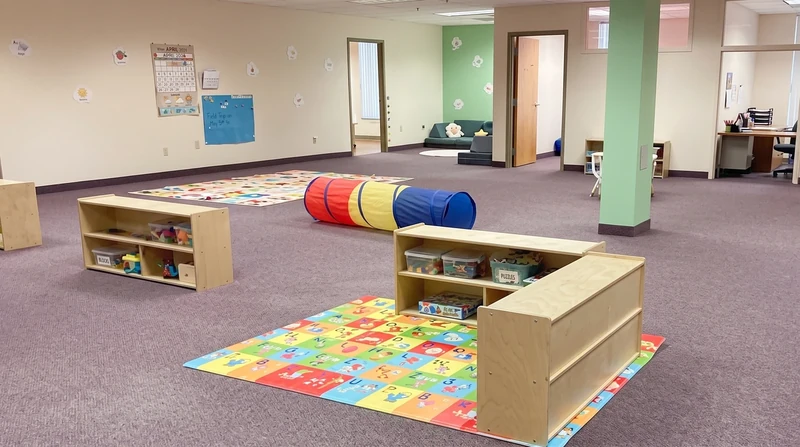
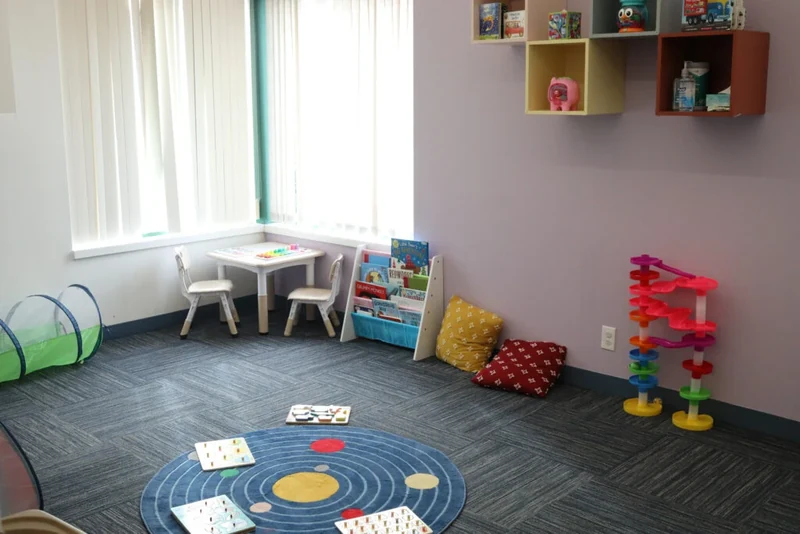
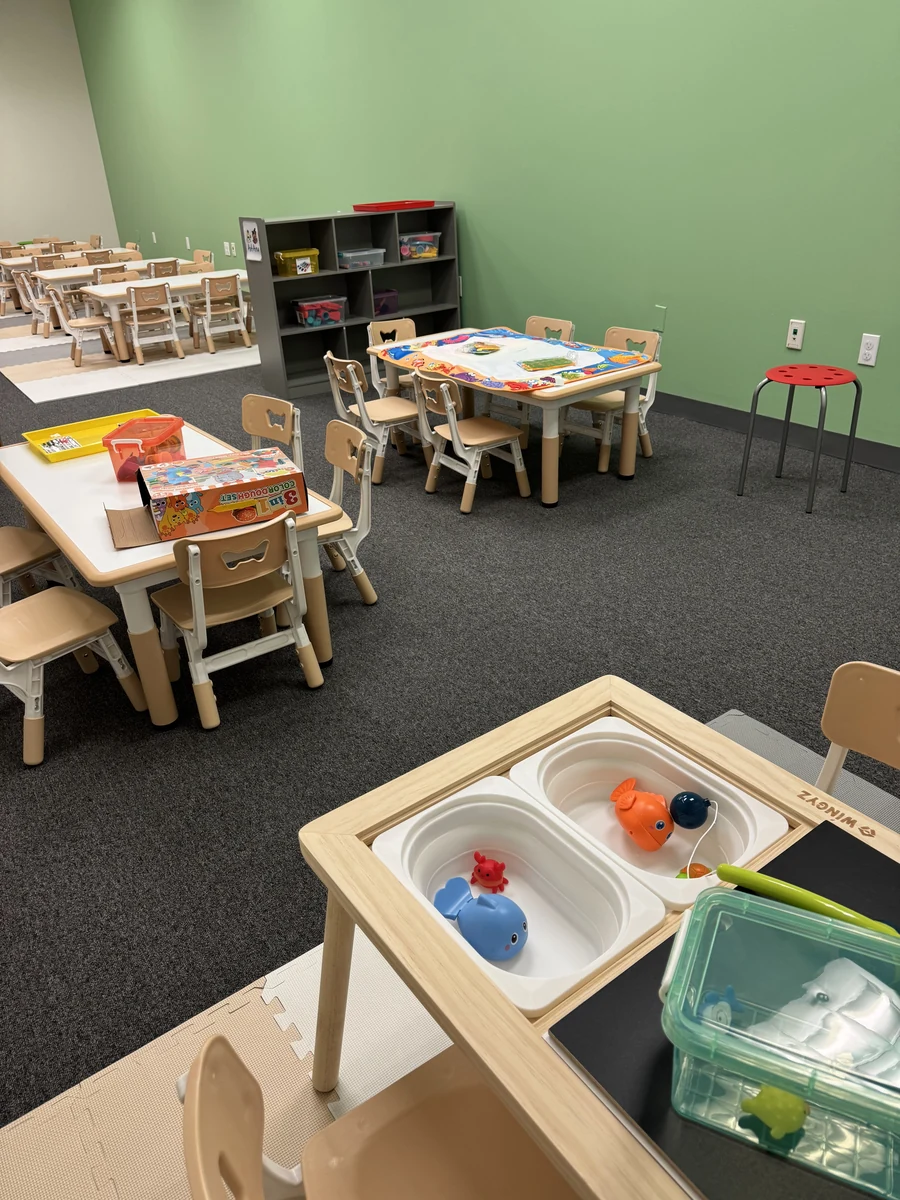
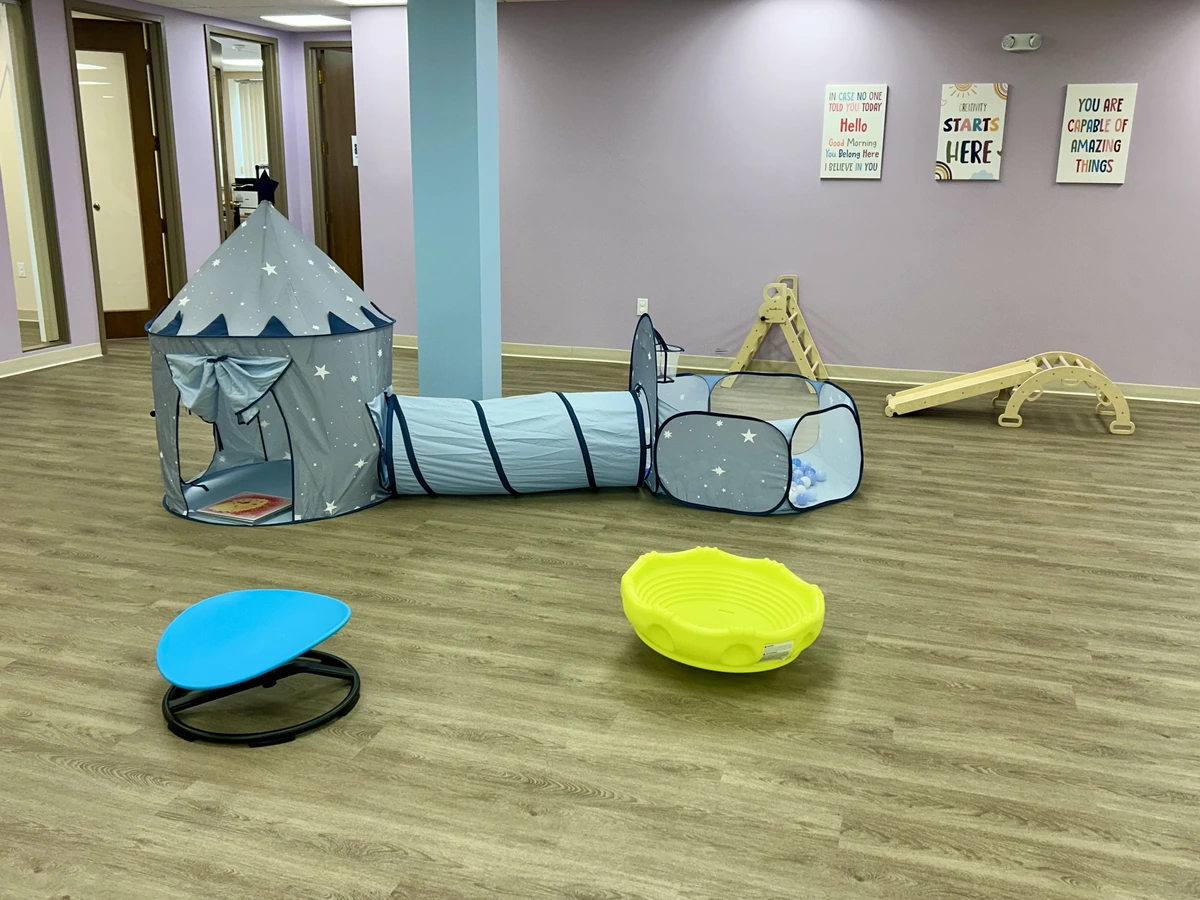
A child engaged in play during an autism screening at ANNA

Definition What is an Autism screening?

An autism screening is a brief, structured tool designed to identify whether a child may be showing early signs of autism. Screeners are typically short questionnaires completed by a parent or caregiver. They are widely used by pediatricians as a first line of inquiry at routine well-child visits.

About the Autism Screening

Screeners are not diagnostic. They do not tell you whether your child is autistic. They tell you whether your child’s development warrants a closer look.

Screening is a step toward understanding your child more fully – their strengths, their needs, and how they experience the world.
Jenna Eilenberg, PhD, Clinical Psychologist at ANNA Jenna Eilenberg, PhD Clinical Psychologist

Conditions

When to consider a screening

You do not need a referral or a clear set of symptoms to start asking questions. Many families come to us simply because something feels different and they want to understand it better. Some of the early signs families notice before seeking an evaluation include:

Tools

The M-CHAT-R: Autism screening for toddlers

Modified Checklist for Autism in Toddlers, Revised

The M-CHAT-R is the most widely used autism screening tool for toddlers between 16 and 30 months. It is a brief parent-completed questionnaire that looks at early social communication behaviors and key developmental milestones. It is commonly administered by pediatricians and has a strong research foundation.

The M-CHAT-R is freely available online. You can complete it on your own and bring your results to any conversation with our team or your pediatrician.

Complete the M-CHAT-R

About

What to keep in mind about screeners?

Screeners are a valuable part of the early identification process. And like any brief tool, they are most useful when you understand what they are designed to do and where their limits are.

  • Short questionnaires

    Built around a specific set of observable behaviors, they capture a narrow window of your child’s development.

  • Not covering full picture

    Doesn’t cover the full complexity of how your child thinks, communicates, processes the world.

  • Showing the right direction

    Screening gives you a starting point, but may not provide a complete, accurate, or affirming picture of your child.

Important note. A positive screening result is equally important to hold lightly. It is not a diagnosis, and it should not be treated as one.

Why Neurodiversity

A note on Neurodiversity

Seeking an evaluation is not about finding something wrong with your child. It is about understanding your child more fully so that you can support them in the way that is right for them. At ANNA, we approach every evaluation with a neuroaffirming lens. We celebrate neurodiversity. We do not pathologize difference.
Ariana Boutain, Chief Clinical Officer at ANNA Ariana Boutain Chief Clinical Officer

Explore our centers in Massachusetts

Autism screening in
Massachusetts: What
families should know

Families across Massachusetts, including in Braintree, Sudbury, Wayland, Weston, Woburn, and the Greater Boston area, can access autism screening support through ANNA Autism Care. Our team can help you understand your child’s screening results, answer questions about the evaluation process, and guide you toward next steps.

If you are searching for autism screening near you in Massachusetts,
we encourage you to reach out and speak with our team directly.

Contact Us

FAQ

Have questions?
We have answers!

ANNA does not perform standalone autism testing using a single tool. Instead, our clinical psychologists conduct comprehensive diagnostic evaluations that draw on multiple sources of information, including standardized assessments such as the ADOS-2, developmental history, parent interviews, and observations across settings. This approach gives families a more complete and accurate picture of their child than any single screener or test can provide. If you are wondering how to test for autism or whether your child needs a full evaluation, our team is happy to help you understand the process and decide on the right next step.

Start a life-changing journey with your child

If you are ready to move forward with a comprehensive evaluation, our team is here to help you understand the process and take the next step with confidence.